Strategy 01
Work with your strengths
Relic combines your type with the situation’s type, then develops guidance from that combined pattern. This approach looks for a response that makes use of the strengths you are likely to bring.
ENNEAGRAM / VECTOR EMBEDDINGS
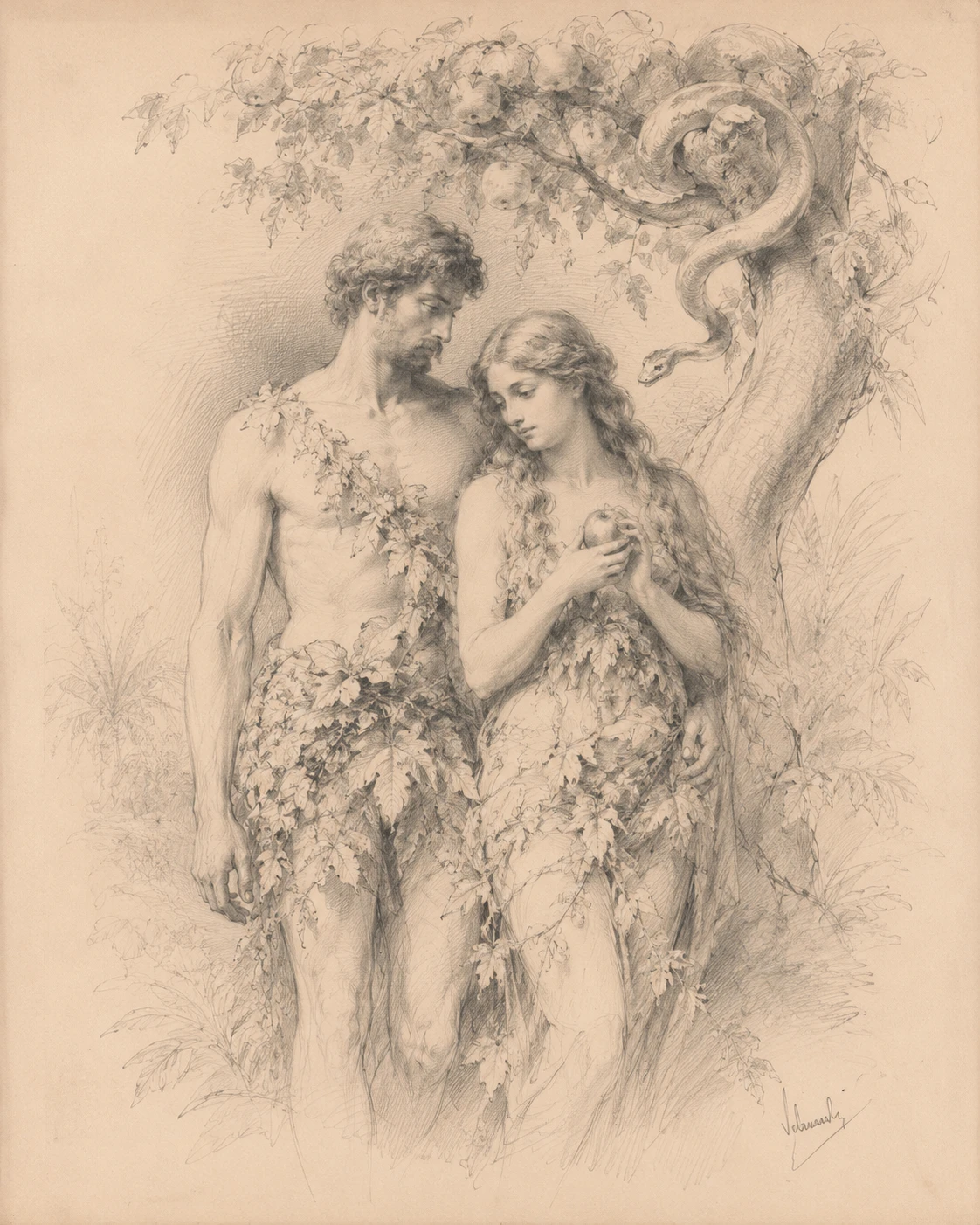
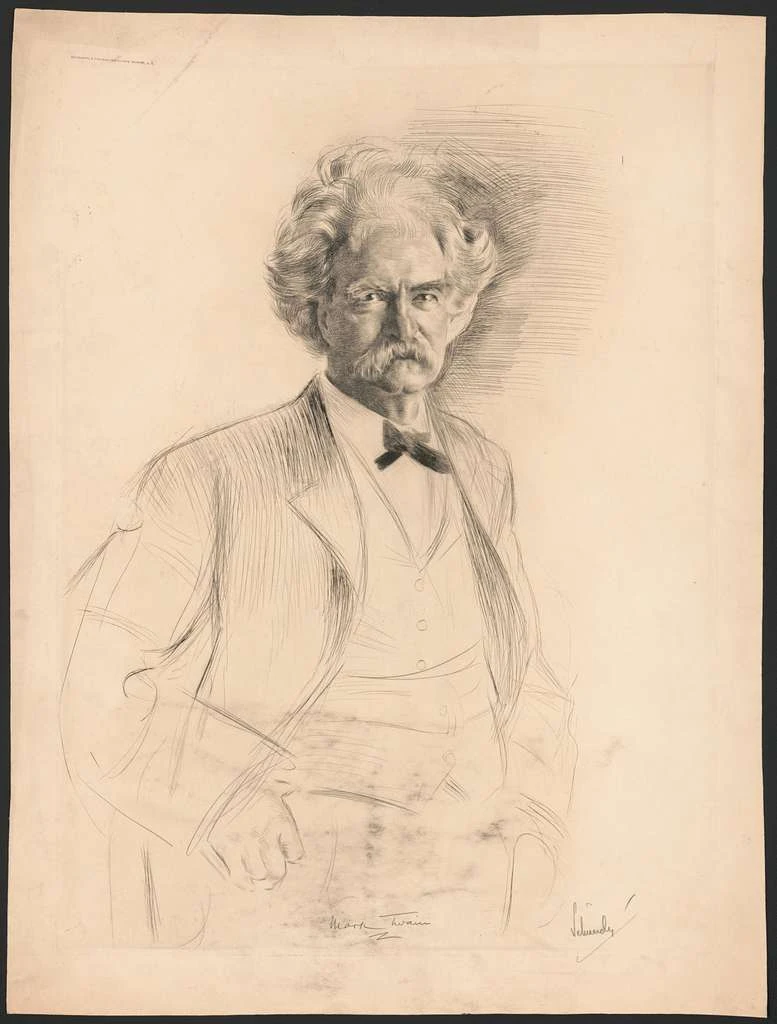
Mark Twain’s Adam and Eve, to be clear. I was experimenting with a way to read journal entries through the Enneagram. That experiment grew into Relic, and into an idea for a much broader personality platform.
Enneagram assessment and everyday guidance
I had an idea: what would happen if you wrote in a journal and could see which Enneagram type the entry reflected? The Enneagram is a way of describing personality patterns. I wanted to see whether vector embeddings could help me connect those patterns with someone’s writing.
An embedding model represents text as numbers so we can compare aspects of its meaning mathematically. The model I use represents a passage with 3,072 numbers. By putting descriptions of Enneagram types into the same space, I could compare a journal entry with those types.
For my first experiment, I used passages from Mark Twain’s The Diaries of Adam and Eve, a favorite of mine. I fed the passages into the embedding model, did the math, and looked at the matches. The results were fascinating! There was enough there that I wanted to keep working on it.
As the app took shape, I wanted it to feel as though you had found an object that could guide you. I wanted something you would return to, rather than a test you would take once and forget. That idea became Relic.
Once I had the typing algorithm, I realized I could do more with it. I had a way to take a piece of writing and give it an Enneagram score. What else could that tell us?
Why not let someone describe a situation, score that description, and combine it with their established type? An LLM could then use both to suggest ways forward informed by the Enneagram. I called this Consult the Relic.
It offers two approaches. One draws on the strengths of your type in that situation. The other asks you to try something less familiar, drawing on the Enneagram’s ideas about balance. You can consider which might help, rather than being handed a single answer.
Strategy 01
Relic combines your type with the situation’s type, then develops guidance from that combined pattern. This approach looks for a response that makes use of the strengths you are likely to bring.
Strategy 02
The Enneagram includes ideas about how types can balance one another. This approach draws on those relationships to suggest a response that moves a little against your usual pattern. It may feel less familiar, which is part of the point.
Relic is intended to be the first complete application of a broader personality and assessment platform. Its local-first Enneagram assessment uses deterministic scoring to produce a profile across 27 subtypes.
The architecture represents a framework in embedding space and compiles it into a scoring system. It can then combine a person’s established profile with new context, such as a situation they describe, and make the results available through an API or MCP.
I think the same approach could be useful for Big Five, strengths frameworks, coaching systems, team models, and proprietary assessments. The opportunity is to give AI a structured way to consider both the person and what is happening to them.
Work with me
I build websites and apps, provide AI training, and consult with businesses and organizations getting AI into their work. Tell me what you want to do and what has been getting in the way.